Protect Your Roof from Winter Weight
Roof Snow & Ice Removal in Belgrade for blocked drainage and structural strain from heavy snowpack
The Rain Gutter Guys provides roof snow and ice removal for homeowners throughout Belgrade who face heavy snowpack and ice dam formation during the winter months. You need this service when snowfall accumulates to the point where it places measurable weight on your roof structure or when ice dams begin blocking drainage at the eaves. When temperatures fluctuate above and below freezing, meltwater runs down your roof and refreezes at the edges, creating a barrier that prevents proper runoff and forces water to pool under shingles.
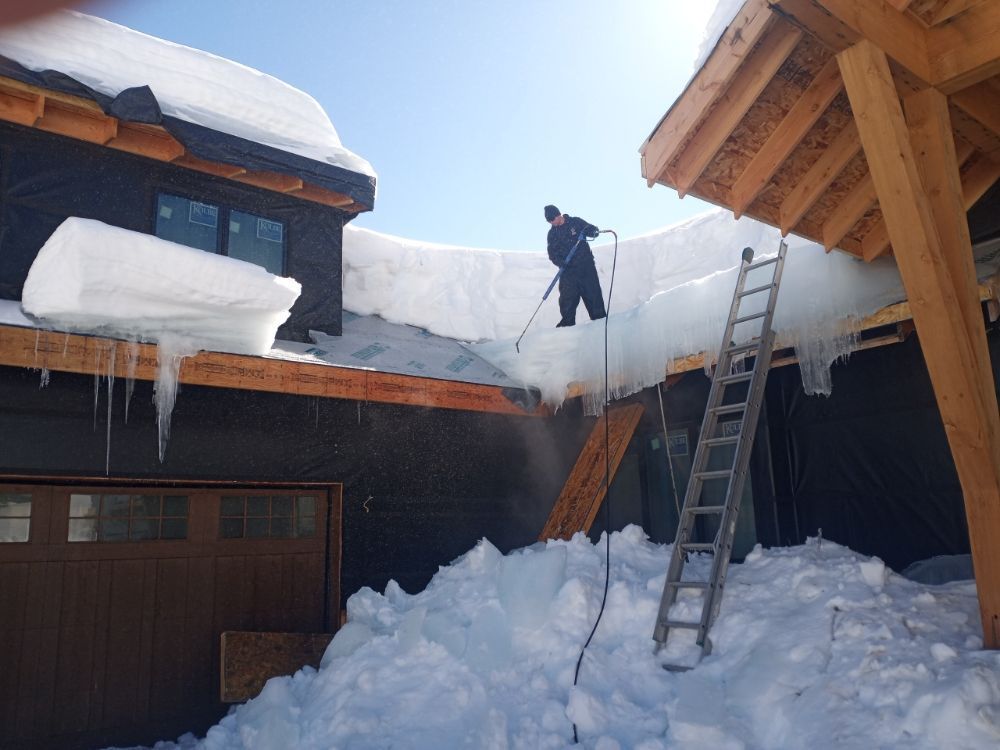
This service involves safe removal of both snow accumulation and ice dams using steam-based methods that eliminate ice buildup without damaging roofing materials. In Belgrade, winter weather patterns often bring extended periods of snow followed by warming spells, which accelerate ice dam formation along roof edges and valleys. The removal process addresses both the immediate weight load and the drainage obstruction caused by ice buildup, restoring your roof's ability to shed water before it penetrates the underlayment or finds its way into your attic space.
If you notice ice forming along your gutters or sagging under the weight of snowpack, reach out to discuss scheduling a removal visit during the next winter weather event.
What Snow and Ice Dam Removal Involves
You will see the crew assess the amount of snow and the location of ice dams before beginning work. The steaming equipment applies controlled heat directly to ice formations, breaking them down without scraping, chipping, or applying force that could tear shingles or puncture flashing. Snow is carefully removed in sections to prevent sudden load shifts, and edges are cleared first to restore drainage pathways before interior snowpack is addressed.
After the service is complete, you will notice that water flows freely off the roof and through the gutter system again. The Rain Gutter Guys works methodically to clear obstructions and reduce the weight pressing down on your roof deck, which becomes visible when sagging eaves return to their original position and no more water stains appear on interior ceilings. You will also see that icicles and ridges of ice along the roof edge are gone, eliminating the backup points where meltwater previously pooled.
The process does not include interior repairs to water-damaged drywall or insulation, nor does it address underlying ventilation or insulation deficiencies that may contribute to uneven roof temperatures. The work focuses entirely on removing the snow and ice that currently threaten your roof's integrity and drainage function during active winter conditions.
Homeowners in Belgrade often ask about timing, safety, and what the removal process looks like on their specific roof type.
Questions About Snow and Ice Removal
How much snow needs to accumulate before removal is necessary?
You should consider removal when snowpack exceeds twelve inches or when you notice sagging, especially on low-slope or older roofs where structural margins are tighter.
What is the difference between shoveling and steaming?
Shoveling can damage shingles and does not address ice dams, while steaming melts ice without physical contact, preserving the roofing surface and allowing safe removal of both snow and ice.
When should I call for service in Belgrade?
You should call as soon as you observe ice ridges forming along the eaves or when forecasts predict alternating freeze-thaw cycles that promote ice dam growth.
Why do ice dams form even when gutters are clean?
Ice dams form when heat escapes through your roof deck and melts snow, which then refreezes at the unheated eaves, regardless of gutter condition.
How long does the removal take?
Most residential jobs take two to four hours depending on roof size, snow depth, and the extent of ice dam formation present when the crew arrives.
The Rain Gutter Guys responds to winter weather events throughout Belgrade and can schedule removal work based on current snowpack conditions. Contact the team when you see warning signs or when weather forecasts indicate heavy snow followed by warming trends that increase ice dam risk.